Block paving in Teesside
Block paving in Teesside costs £60 to £100 per square metre laid in 2026, covering excavation, a compacted sub-base, laying course, blocks, cutting, edge restraint and jointing. A 40 square metre front drive therefore comes in around £2,400 to £4,000.
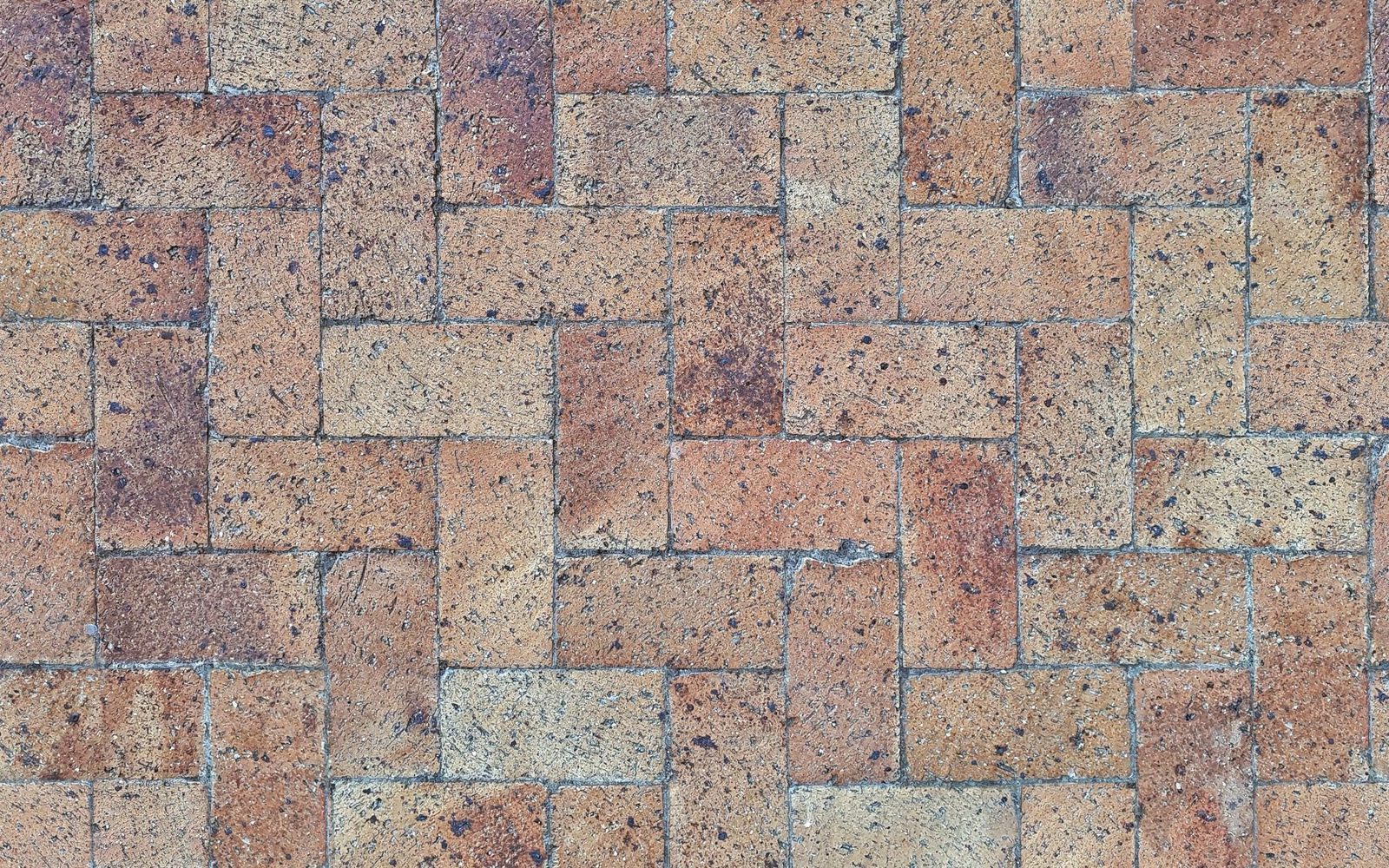
The surface that suits Teesside drives
Block paving stays the default choice for front drives here for two reasons. It carries car loads without cracking, because the load spreads through hundreds of small units rather than one slab that either holds or splits. And it can be lifted: a service trench, a sunken corner or an oil-stained patch is a morning's work rather than a rip-out. On clay ground that shifts a little each winter, a surface that can be taken up and put back is worth real money over twenty years.
What the square metre rate covers
- The dig: typically 200mm to 250mm out for a driveway, with the arisings carted away and tipped, and the formation checked before any stone goes in.
- The sub-base: compacted MOT Type 1 in layers, thicker for vehicles than for a footpath, whacked in passes rather than in one hopeful go.
- Laying course and blocks: screeded sharp sand, then 50mm blocks for drives or 50mm to 60mm for anything taking heavier traffic, laid to pattern and cut in at the edges.
- Edge restraint: haunched edging blocks or kerbs on every open side, which is the single detail that decides whether the paving is still tight in five years.
- Jointing and compaction: kiln-dried sand brushed in and vibrated home, or a polymeric jointing sand where weed growth is the bigger worry.
What moves the price
Area is the obvious one, and the rate usually softens a little above 50 square metres because setting up costs are spread further. After that: the depth of dig and how much spoil leaves site, whether a skip can sit on the drive or has to go on the road with a permit, the block itself (a standard concrete rectangle sits at the bottom of the range, a tumbled or clay block near the top), the amount of cutting a curved or tapered shape demands, and the drainage answer. If the drive falls towards the house or towards the highway, expect a channel drain or a soakaway in the price, and read the SuDS guide before choosing the surface.
Choosing the block
Concrete blocks give the widest colour choice and the keenest price, and modern ranges hold colour far better than the orange-fading blocks of the early 2000s that still line plenty of Teesside estates. Clay pavers cost more but keep their colour effectively forever, which is why they suit period frontages in Yarm, Norton and Saltburn. Thickness matters more than looks for drives: 50mm minimum for cars, 60mm or 80mm where vans or deliveries cross. If you are weighing this up against flags, the block paving against slabs comparison lays out where each one wins, and the cost guide has worked examples at real drive sizes.