Edging and kerbing in Teesside
Edging and kerbing in Teesside starts from £200 per run in 2026, supplied and set on concrete with haunching. Edge restraint is what stops paving creeping outwards, and it is the cheapest part of a driveway to get right.
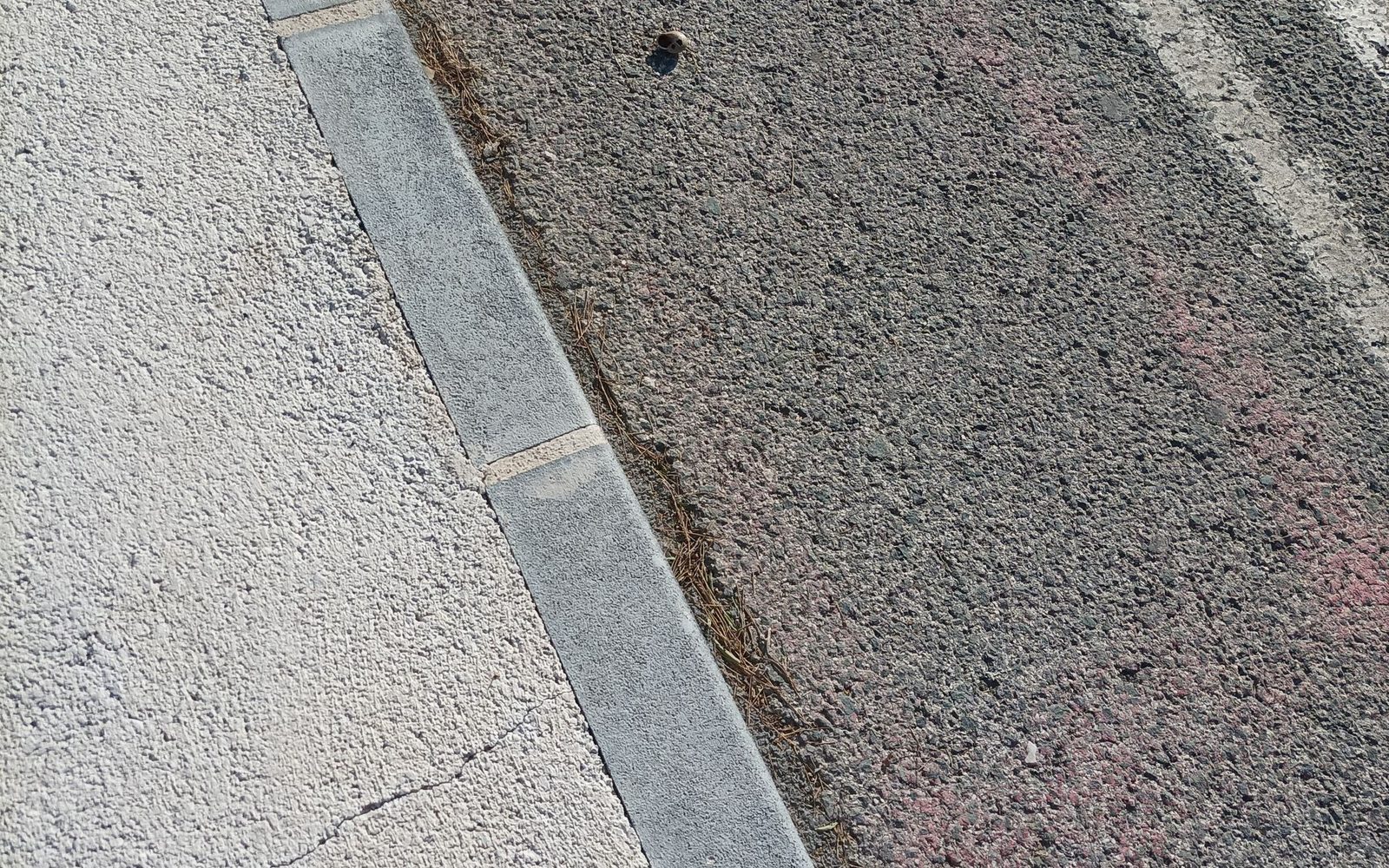
The detail that decides how long paving lasts
Paving is held together by pressure between the units. Take away the restraint at the perimeter and every load pushes the outer courses a little further out, the joints open, sand washes away, and within a few winters the edge of the drive looks chewed. That is why an edging course, bedded on concrete and haunched behind, is not decoration. It is the frame that keeps everything else tight, and it is a small fraction of the cost of the paving it protects.
What gets used where
- Block edging courses: a soldier course of the same or a contrasting block, bedded and haunched, the standard answer around drives and paths.
- Concrete kerbs and edgings: half-battered or bullnose kerbs where vehicles cross, flat-top edgings where the paving meets a lawn.
- Granite setts: a harder wearing and better looking border for period frontages, and a neat way to break up a large paved area.
- Garden edgings: low kerb runs separating lawn from border or path, which also give the mower something to run against.
- Dropped kerbs: the crossing from road to drive, which is highway work and needs council approval before anyone touches it.
Dropped kerbs are a council job
If a new driveway needs a vehicle crossing over the footway, that section belongs to the highway authority, not to you. Middlesbrough, Stockton-on-Tees, Redcar and Cleveland and Hartlepool each run their own vehicle crossing application, with an inspection, an approved contractor list and a fee that typically runs into several hundred pounds on top of the paving. Plan it early: the crossing often has a longer lead time than the drive itself, and laying paving up to an unapproved kerb line is an expensive way to learn that.
Retrofitting restraint
Plenty of Teesside drives laid in the estate-building boom of the 1990s and 2000s went down without proper edge restraint. Retrofitting is straightforward: the outer courses come up, an edging is set on concrete along the line, and the paving is closed back up and re-jointed. It is the single most effective repair for a drive that is spreading, and far cheaper than the full replacement it prevents. See the cost guide for how it sits alongside other paving work.