Slab and flag paving in Teesside
Slab and flag paving in Teesside costs £50 to £80 per square metre laid in 2026, covering excavation, base, full mortar bed, slabs, cutting and pointing. Porcelain and natural stone sit at the upper end, standard concrete flags at the lower.
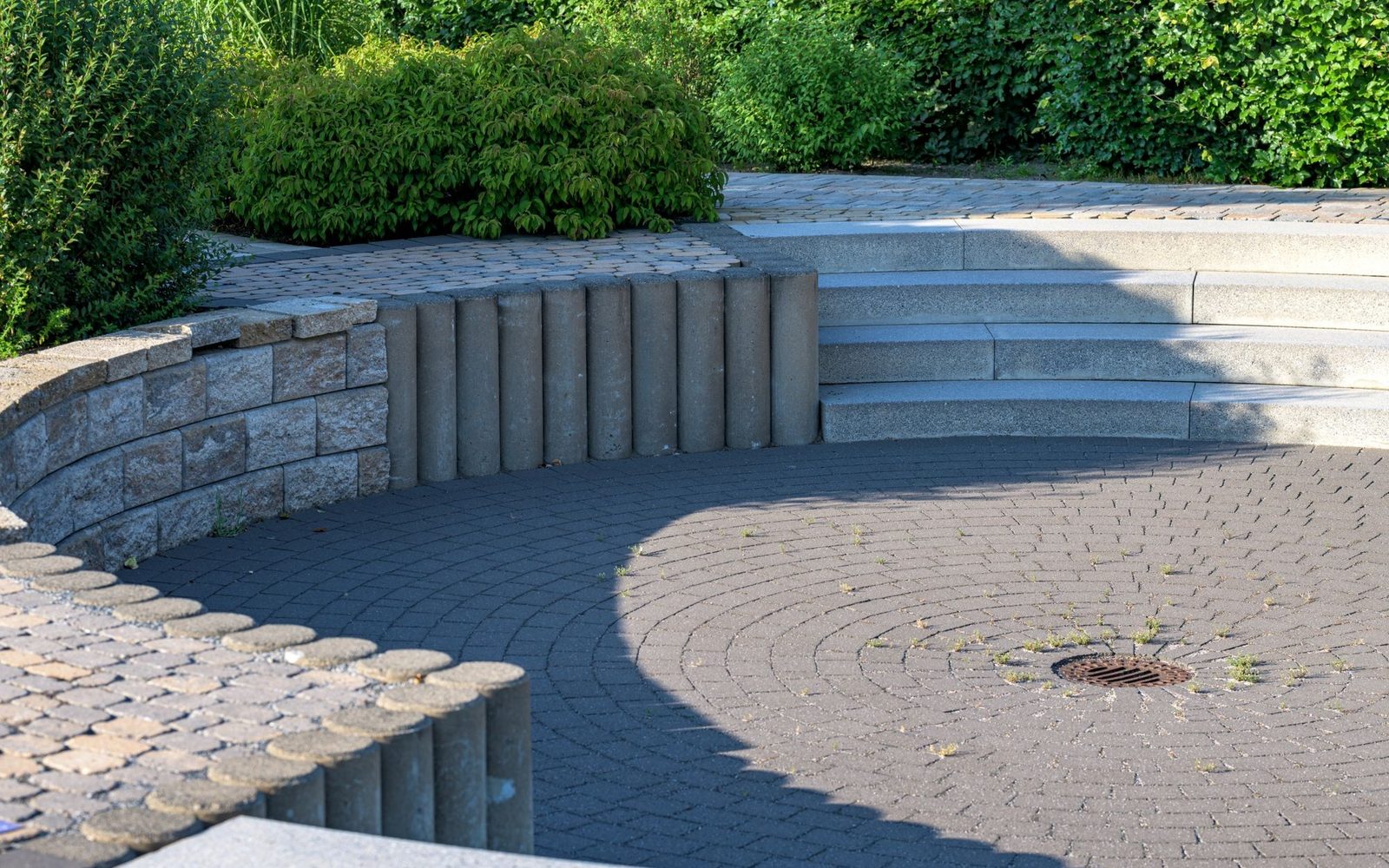
The patio surface
Flags rule the back garden. A large-format slab gives a calm, continuous surface that furniture sits flat on, with far fewer joints to weed than block paving, and the sizes now available (600 by 900 and larger) make even a modest Teesside back garden look bigger than it is. Foot traffic is gentle work compared with a car, so the build is different: a full mortar bed rather than a sand laying course, and a base sized for people rather than vehicles.
What the square metre rate covers
- Excavation and base: typically 150mm out for a patio, compacted sub-base, then a full wet mortar bed under every slab rather than five dabs at the corners.
- The slabs: concrete, riven or sawn sandstone, limestone or porcelain, laid to a set-out that keeps cuts away from the eyeline.
- Falls and drainage: a slight fall away from the house, usually around 1 in 80, and the finished level kept a minimum of 150mm below the damp proof course.
- Cutting and pointing: clean cuts at walls and steps, then brush-in or gun-applied jointing compound that suits the slab type.
- Priming where needed: porcelain and many natural stones need a slurry primer on the back of each slab, without which the bond fails within a season or two.
What moves the price
The slab itself is the biggest lever: budget concrete flags are a fraction of porcelain, and porcelain also costs more to lay because of the priming and the diamond cutting it demands. After that comes access. A Middlesbrough or Stockton terrace where every barrow of muck and every pack of slabs goes through the house or down a shared alley carries real extra labour, and an honest quote says so rather than hiding it. Levels matter too: a sloping garden in Guisborough or on the Eston bank may need steps, a small retaining wall or imported fill before a single slab is laid.
Porcelain, stone or concrete
Porcelain is the low-maintenance option: it does not stain easily, it does not need sealing, and it holds its colour, but it is unforgiving of a poor bed and needs a proper installer. Indian sandstone remains the value choice for a natural look and is everywhere on Teesside patios, though it does darken and grow algae on shaded north-facing gardens. Concrete flags are the cheapest per metre and modern textured ranges look far better than the grey rectangles they replaced. For paths and drives where lifting access matters, the comparison guide makes the case for block paving instead.